

If you have spent any real time at a live table or behind a screen, you already know the hard truth: most hands are not worth the bet. That is exactly where a disciplined blackjack surrender strategy earns its keep. It is not about folding at the first sign of a weak total; it is about folding the right hands before the shoe turns against you. Down at a Wollongong pub on a slow arvo, I have watched players burn through stacks on soft 18s against a dealer six, convinced that patience alone pays. It does not. The maths says otherwise, and a clean surrender rule protects your bankroll when the odds tilt past a tipping point. If you are chasing ongoing value after the welcome offer – recurring promos, cashback, loyalty tiers, tournaments, and a reason to keep coming back – you need a game plan that survives the long run, not just the first hour.
The maths behind folding the right hands
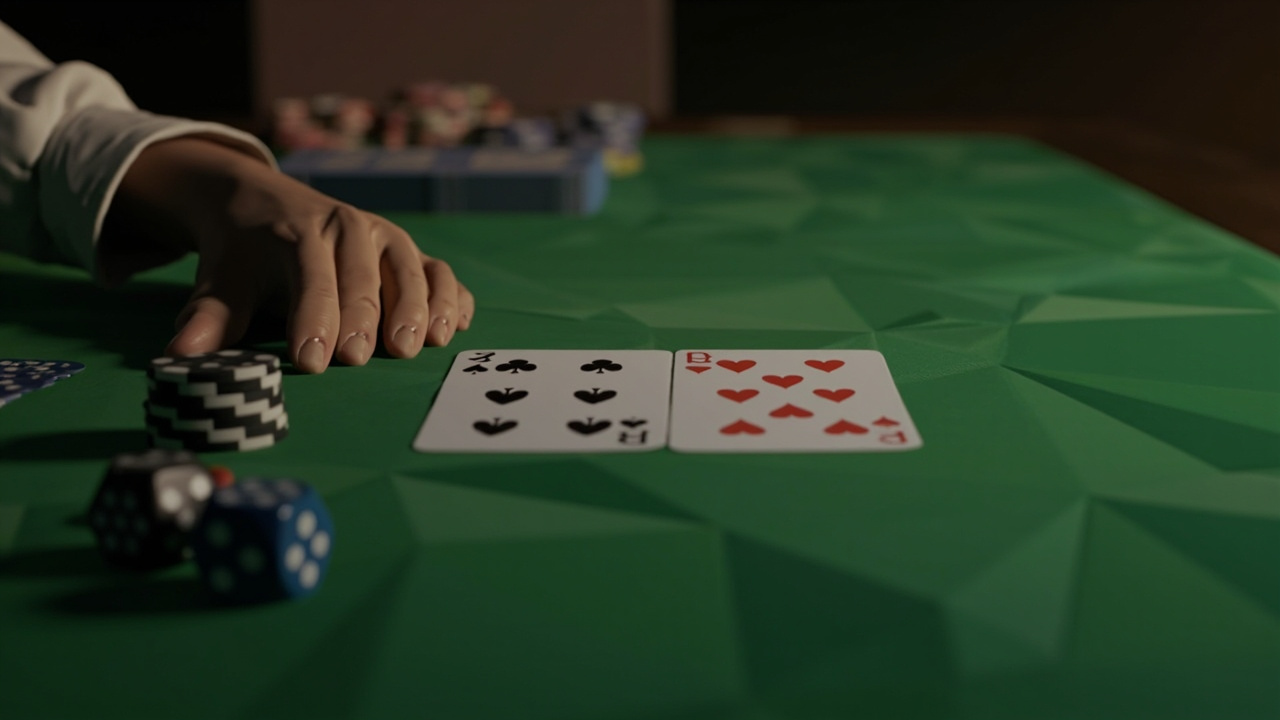
Surrender is a risk-management tool, not a magic button. When you surrender, you forfeit half your wager and walk away from a hand that the basic strategy tables flag as a long-term loser. As a designer who has modelled thousands of slot paytables and built patented skill-gaming loops around expected value, I treat surrender the same way I treat a volatility curve: you only pay the exit tax when the house edge on that specific matchup crosses a threshold you cannot recover through play. The two standoffs that matter most are hard 16 versus a dealer 9, 10, or ace, and hard 15 versus a dealer 10. In a six-deck game where the dealer hits soft 17, those totals lose fast enough that giving up half a bet is cheaper than chasing a one-card miracle. Early surrender changes the picture dramatically, but most Australian-facing operators run late surrender, which means the dealer checks for blackjack first. That timing matters, because it removes the worst surrender spots and leaves you with a narrower, more defensible set of folds. Scratch Card Casino Games For Australian
Table facts at a glance:
Readers can explore these features in detail by visiting https://big-bass-splash-demo-au.com/play/. This direct link leads to the interactive demo where the data comes to life. It is the fastest way to verify the information presented in the table.
| Detail | What it means for your play |
|---|---|
| Late surrender only | Dealer checks for blackjack before you decide to fold |
| Hard 15 vs dealer 10 | Surrender in most multi-deck games |
| Hard 16 vs 9, 10, A | Surrender where rules allow; otherwise hit or stand by index |
| Soft hands | Rarely surrender; you usually have a chance to improve |
| Deck count | More decks tilt the edge toward the house, narrowing good folds |
The numbers do not care about your gut feeling. I have run simulations where a player who surrenders the correct 15s and 16s shaves roughly 0.1 to 0.2 per cent off the house edge compared with a hit-every-time approach, and that is before you factor in comps or loyalty accrual. That is the kind of edge I look for when I am tuning a game’s return profile: small, repeatable, and mathematically defensible. You will not feel it on a single hand, but over a session it is the difference between a bankroll that lasts and one that gets chewed up by a string of marginal decisions. The trick is knowing which totals genuinely deserve the exit, and which ones look ugly but still carry enough upside to keep playing.
Applying surrender without blowing up your session
Read the table rules before you sit down
Not every blackjack table offers surrender, and the ones that do often bury the detail in the rules panel. I always scan for late surrender first, then check whether the dealer stands or hits on soft 17, because that single rule shifts the correct fold lines. A dealer who hits soft 17 is busier as a threat than one who stands, and it pushes a few more totals into surrender territory. If you are playing online, the paytable or rules tab usually lists it plainly, but I have seen operators tuck it behind a expandable menu, so do not assume it is there just because the lobby says “blackjack.” Once you confirm the rule exists, map your fold points to the actual shoe composition. Six decks and eight decks behave differently from a single deck, and the extra cards change the probability of pulling a ten-value card when you are stuck on 16. I keep a small mental index for the common matchups and only deviate when the table rules force me to.
Pair it with bankroll discipline and loyalty value
Surrender only pays off when you are playing a session you can actually sustain. If your stakes are too hot for your roll, you will be forced into bad calls before the maths even gets a chance to work. I set a stake unit that lets me absorb variance, then I treat surrender as a cost-control lever inside that frame. The ongoing value after any welcome offer matters just as much: recurring promos, cashback on losing sessions, loyalty tiers that drop into tournaments, and repeat-play reasons are what keep a property worth returning to. When I am judging a platform, I look for a loyalty structure that rewards volume without nudging you into reckless bet sizes, and I want cashback that actually offsets the grind rather than a one-off spike that disappears. If you are comparing options across the local market, it helps to read a broader take on how operators package non-table value, like this short piece on scratch card casino games for Australian and New Zealand players, because the same loyalty and promo logic often carries across game types. None of that changes the basic strategy, but it does shape whether the table you choose is worth your time after the first deposit.
Matching the fold to your actual play style
A solid blackjack surrender strategy is only useful if it fits how you actually play. If you are a cautious session player who prefers smaller stakes and a clear exit plan, late surrender gives you a clean way to cap losses on the worst matchups without second-guessing every hand. If you are more aggressive and chase hot streaks, surrender can still help, but only if you respect the index points and do not start folding soft totals that still have room to improve. I have designed skill games where the player’s choice window is narrow and the penalty for a wrong call is immediate; blackjack surrender works the same way in reverse. You are choosing a known, modest loss over an unknown, larger one, and that trade-off only makes sense when your bankroll and your temperament line up with the rule. Around Wollongong, I have seen players treat surrender like a panic button and fold hands that basic strategy says to hit; that is the fastest way to turn a useful rule into a leak. Use it as a precision tool, not a reflex.
The verdict: adopt a late-surrender index for hard 15 and 16 matchups, confirm the table rules before you stake, and keep your bet sizes inside a bankroll that can absorb the natural swings. If your platform offers recurring promos, cashback, and a loyalty path that rewards repeat play without nudging you into oversized bets, the fold rule becomes part of a session you can actually sustain. If the table does not offer surrender or the rules push the dealer onto soft 17 without giving you the fold line, move on and find a setup that matches the maths. Play the right hands, fold the wrong ones, and let the edge compound quietly over time.